

Travel Insurance: A Small Investment for Big Peace of Mind
A delayed flight, missing suitcase, or sudden illness abroad can turn an anticipated trip into a potentially expensive problem. That’s why travel insurance is as essential to your safari as binoculars and a sunhat.
Often, travelers assume that their trip package or credit card benefits will cover any contingency. While these typically offer some benefits, they are far from comprehensive. Don’t wait for an emergency to discover you’re not covered. That’s the last surprise you want on your vacation.
In addition, some African nations require visitors to have travel insurance. For example, Kenya requires travelers to provide proof of at least $50,000 in medical coverage. Individuals can acquire this insurance from their provider of choice prior to travel. But if you forget, you will have to purchase it from an authorized Kenyan provider upon arrival in the country.
In this blog post, we take a detailed look at why travel insurance is so important for an African safari—even when it’s not required. Let’s dive in!
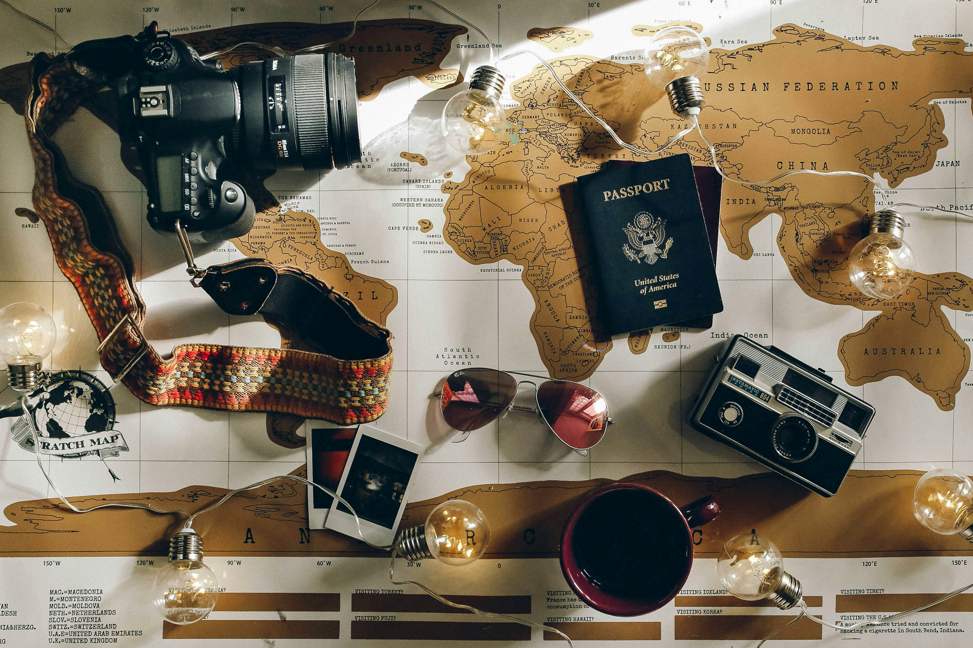
Travel Insurance vs. Credit Card Protection
A common misconception is that credit cards offer protection for all trip emergencies. The truth is, some credit cards don’t offer any travel protection. And the ones that do offer protection have lots of restrictions.
What Credit Cards May Cover
Depending on the card, travel benefits may help with several common disruptions:
- Trip delays. Some cards reimburse eligible out-of-pocket costs, such as meals and lodging, when a flight delay lasts beyond a stated threshold.
- Delayed baggage. If an airline sends your luggage somewhere other than your destination, a qualifying card may reimburse essential items you have to buy while waiting—think basic clothing, toiletries, or a phone charger.
- Lost, damaged, or stolen luggage. Some card programs offer reimbursement for baggage losses.
- Trip cancellation, interruption, or delay. Some cards may reimburse certain prepaid, nonrefundable trip expenses when an unforeseen event prevents travel or cuts a trip short.
What Credit Cards Do Not Cover
The first thing to understand about credit card protections is that they do not offer medical coverage. Your trip expenses can escalate quickly if you need helicopter transportation, a hospital stay, or a flight back home for medical care.
Credit-card coverage can be narrower than a dedicated policy in other ways. It often has lower benefit limits and will not pay for many situations in which a traveler can no longer travel or needs to change dates. It may also limit coverage in certain countries and destinations.
Finally, you have to use a qualifying card to pay for all or part of your trip expenses. If you write a check, pay cash, or accidentally use a credit card that offers fewer travel benefits, you’re out of luck.
While we always recommend bringing a credit card on your trip, it won’t substitute for real insurance. You’ll need a dedicated travel insurance policy when going on safari.
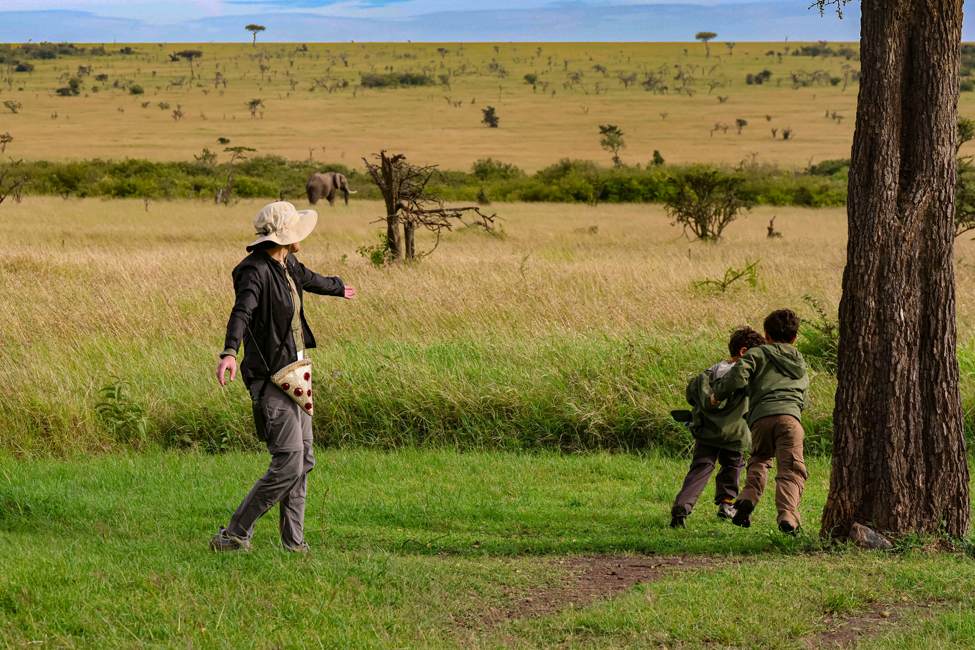
The Benefits of Travel Insurance
Given that an African safari often involves substantial up-front costs, the possibility of financial loss without insurance can be significant. Travel insurance offers more complete coverage for cancellations, interruptions, and lost or stolen baggage. It also covers medical emergencies. The U.S. Centers for Disease Control advise all international travelers to consider insurance that covers health care and emergency evacuation.
Protection Against Medical Emergencies
One of the most compelling reasons to get travel insurance for your African trip is the protection it provides against medical emergencies.
Africa, while an incredible continent to explore, has areas where healthcare facilities are not as accessible or equipped as those in the United States. This is especially true on safari, which takes you far from urban centers. If you’re in a remote area and get injured or sick, you may need to be helicoptered out for medical assistance. This could cost tens of thousands of dollars without insurance.
Travel insurance typically offers:
- Emergency medical expenses for hospital stays, doctor visits, and surgeries.
- Emergency evacuation if you need to be airlifted to a medical facility or transported back home due to a medical emergency.
Trip Cancellations and Interruptions
While credit cards may only reimburse for cancellations or delays imposed by an airline or trip provider, travel insurance can cover cancellations or delays due to minor (or major) illness or injury, family emergencies, inclement weather, natural disasters, or political unrest:
- If you have to cancel your trip for a covered reason, travel insurance will reimburse you for non-refundable flight tickets, accommodations, and other prepaid travel expenses.
- If you’re already on your trip and need to cut your trip short due to an emergency, insurance will cover the costs of returning home early, as well as any unused non-refundable trip expenses.
- If you miss a connecting flight due to delays, travel insurance can cover the cost of rebooking and any additional travel expenses.
Lost or Stolen Belongings
Travel insurance typically offers more generous coverage than credit cards when airlines lose or delay your baggage.
You can also get coverage for theft and loss at your destination. If your camera, smartphone, passport, or another important belonging is stolen during your trip, report the theft to local authorities and then file for reimbursement. (Naturally, your insurer expects you to take normal precautions to prevent theft.)

Choosing a Travel Insurance Policy
To determine your travel insurance needs, pull up your itinerary, trip documents, and credit card benefits guide.
Your trip documents should tell you what potential expenses are already covered. For example, some safari packages include helicopter evacuation to the nearest city for medical emergencies. But they probably won’t cover a flight back to the United States for medical treatment.
Then review your credit card travel coverage. Identify what it does and does not cover. Check whether travel expenses must be paid fully or partly with the card. Also note reimbursement caps, coverage for travel companions, and the process for making a claim.
Then use your itinerary and note all your modes of travel and activities, such as air and ground travel, camp stays, game drives, hiking, hot air ballooning, or diving.
This information will help you identify the coverage you’ll need in a travel insurance policy.
Explore Africa on These Safaris


Peace of Mind for Your Entire Trip
The bottom line is that travel insurance provides peace of mind. When you have coverage, you can focus on enjoying your safari without constantly worrying about potential problems. Whether you’re tracking the Big Five on a safari in South Africa or exploring the rich biodiversity of Madagascar, knowing that you’re protected from unforeseen circumstances lets you relax and focus on what matters most: the adventure of a lifetime!
Contact Ujuzi to learn more.


Sign up for the Ujuzi Newsletter!
From top travel tips to innovative safaris and conservation movement, get inspired to plan your next African safari!