

Tarangire National Park, Elephant Capital of Tanzania
Tarangire National Park in northern Tanzania is often overshadowed by its more famous neighbors like the Serengeti and Ngorongoro Crater. Yet this 2,850-square-mile park, also known as “the elephants’ playground,” boasts spectacular wildlife. From its iconic elephant herds to its stunning baobab trees and rich birdlife, Tarangire National Park promises an intimate safari experience showcasing the true beauty of nature.
Here’s everything you need to know about Tarangire and why it should be on your Tanzania itinerary.
Waters that Bring Life
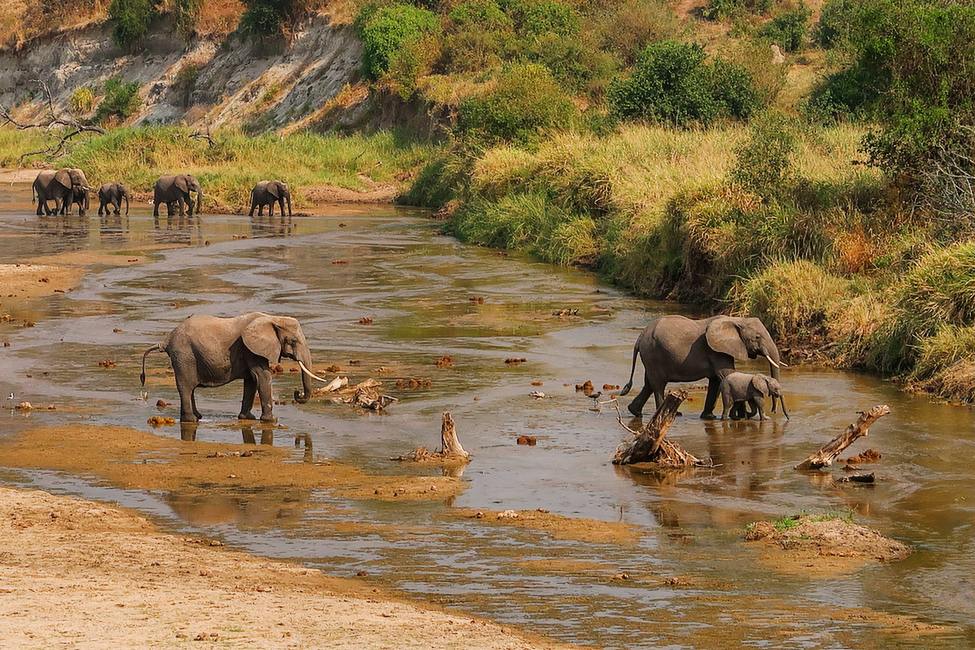
Water plays a central role in the Tarangire ecosystem. The park is named after the Tarangire River, which flows only a few months out of the year but provides water for much longer. During the dry season, elephants and other animals access water by digging through the apparently dry riverbed to reach groundwater lying just below the surface.
The Silale Swamps in the southern part of the park help maintain the water supply by storing rain in the wet season and releasing it into Tarangire River during the dry season. The 27-square-mile swamps form a welcome swathe of green amid the arid savannah, making it a popular hangout for wildlife, especially in the dry season.
Tarangire’s Mighty Baobabs
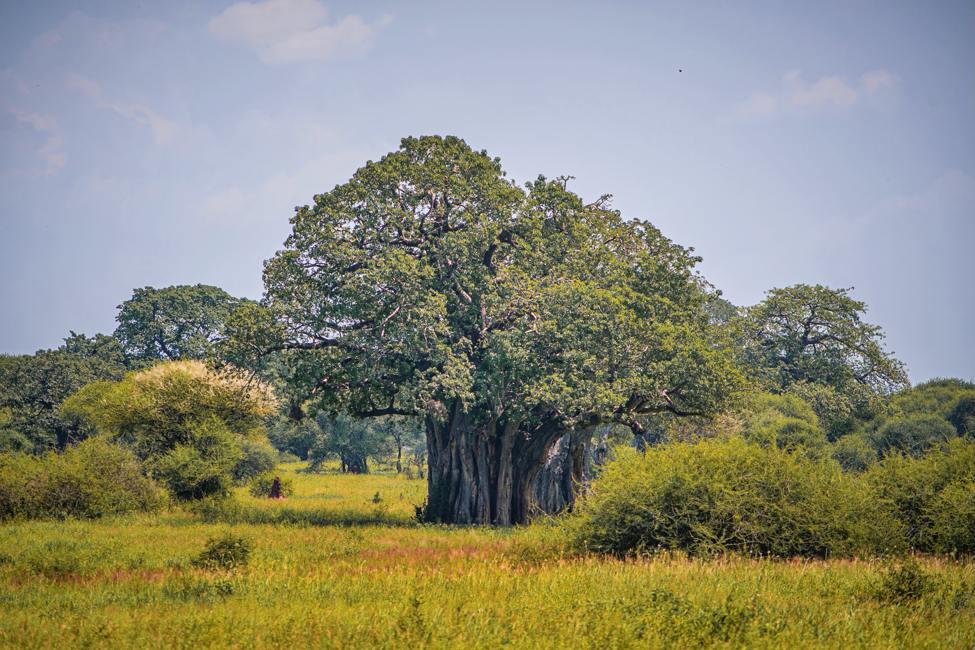
Another major water source that helps sustain Tarangire’s wildlife isn’t a river or pool. It is the mighty baobab tree. Scattered throughout the park, these ancient trees with massive trunks and an otherworldly charm provide water to countless animals through their leaves, shoots, and branches. Their fruit is enjoyed by bats, monkeys, antelopes, and humans, and they provide shade and shelter to birds and insects.
Elephants are another major beneficiary of the baobab, using their tusks and trunks to strip bark from the trees so they can munch on the juicy flesh inside. Surprisingly, this doesn’t usually harm the baobabs—they are better than most trees at regenerating their bark and can even survive for years or centuries with sections of the trunk missing. The ability of a single tree to sustain a whole community of animals gives the baobab the nickname of “tree of life.”
Wildlife of Tarangire
Tarangire National Park is home to an incredible range of unique animals, many of which are rare or less commonly seen in other parks. For example, endangered African wild dogs live here and are sometimes seen in large groups. In more arid regions of the park, you might find the gerenuk, or “giraffe gazelle,” a curious-looking antelope that feeds on shrubs and small trees by standing on its hind legs and stretching its long neck. The fringe-eared oryx, another relatively uncommon species found in Tarangire, is a visual delight with its distinctive markings, black tufts of hair at the tips of its ears, and long, straight horns.
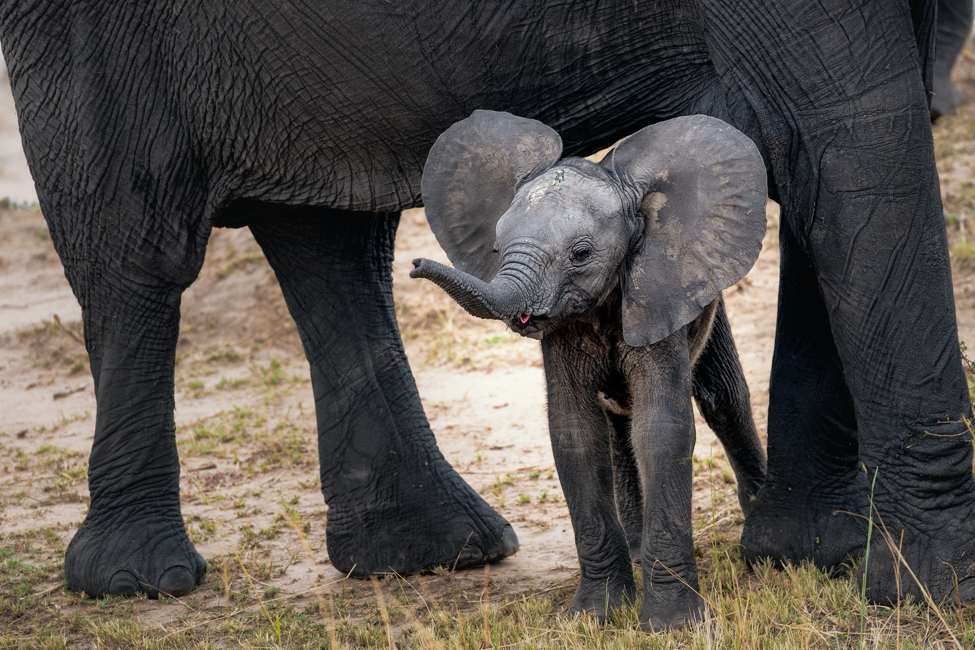
Of course, Tarangire’s claim to fame is having one of the highest concentrations of elephants in Africa, with more than 3,000 individuals roaming its plains. Witnessing these enormous herds congregating around the river or under the shade of the park’s iconic baobab trees is one of the highlights of visiting Tarangire.
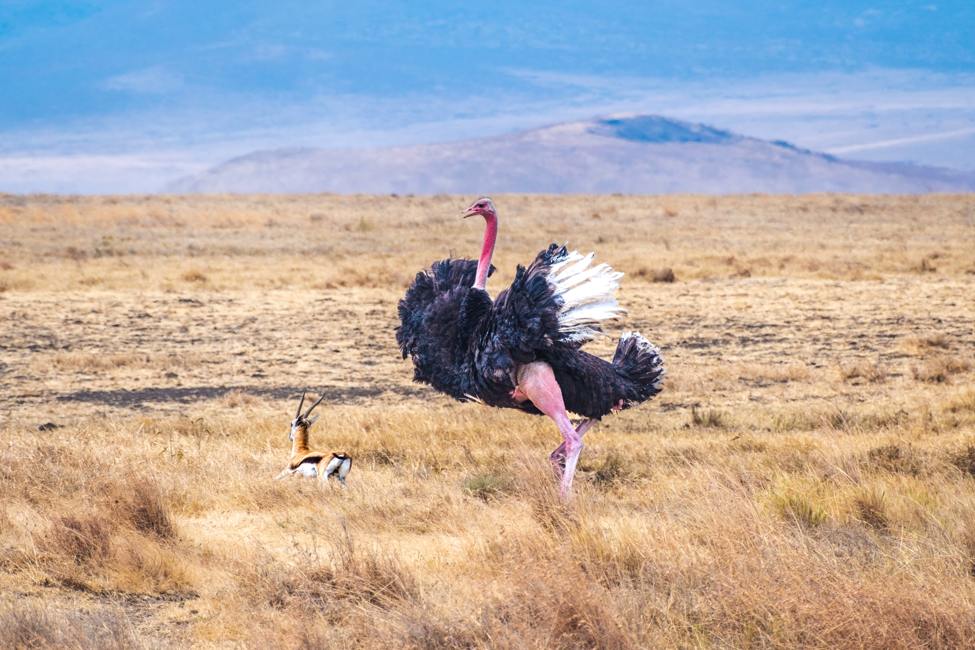
Around Silale Swamp, you are likely to see some of these elephants, as well as reedbucks, open-billed storks, ostriches, waterbucks, warthogs, or even tree-climbing lions. Love reptiles? This may be the best part of the park to search for the African rock python. (And if you don’t like snakes, don’t worry—these massive, non-venomous serpents are shy and rarely seen except by people looking for them.)
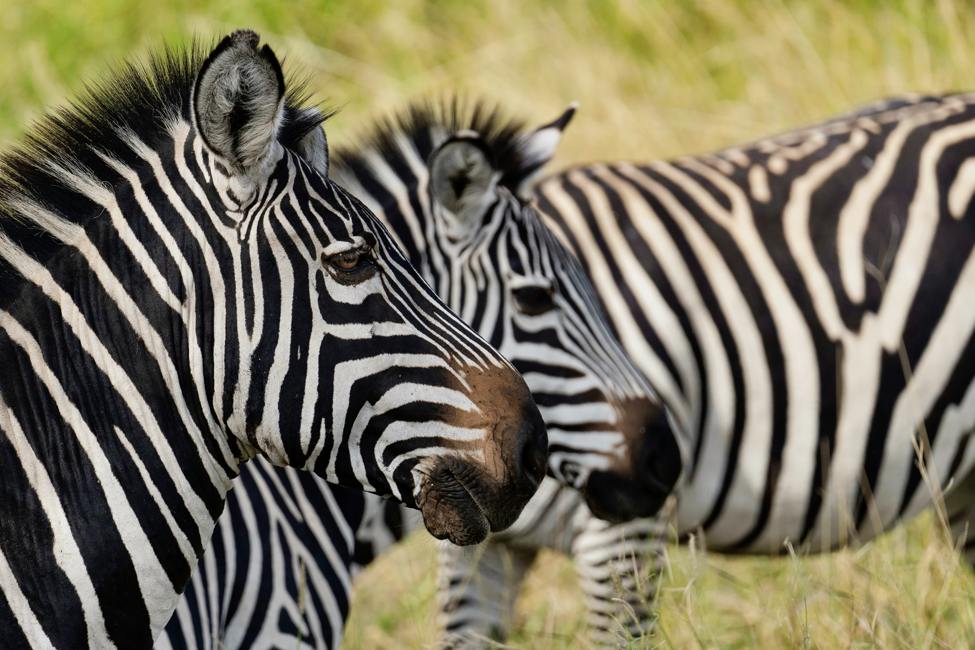
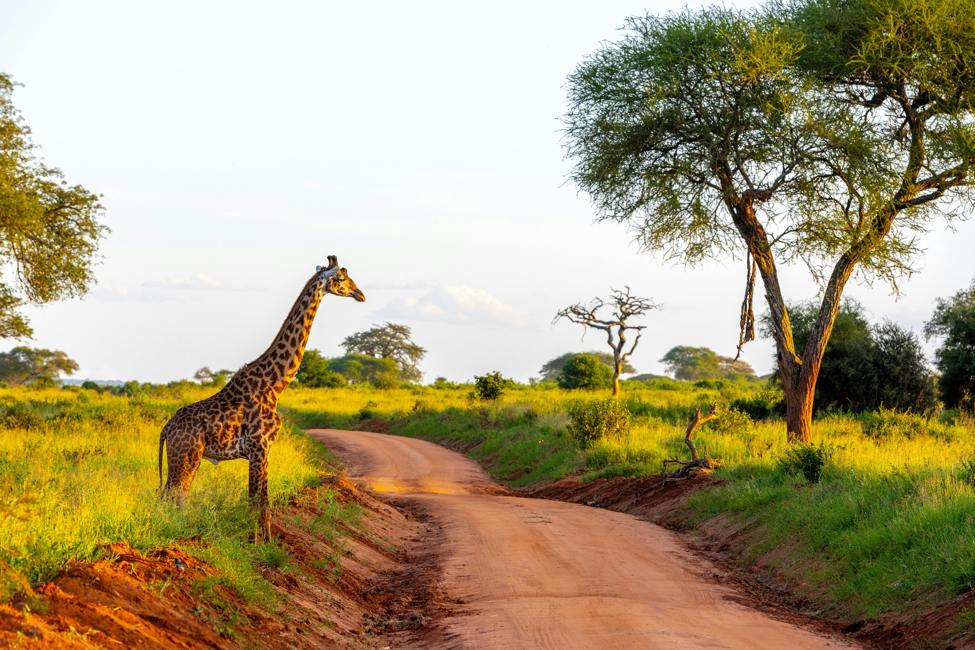
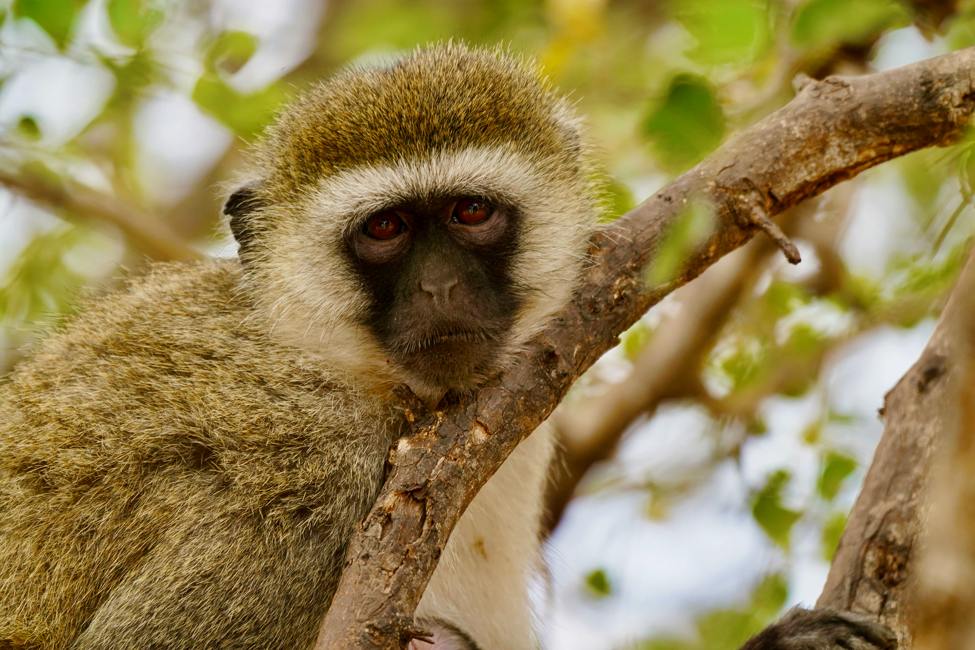
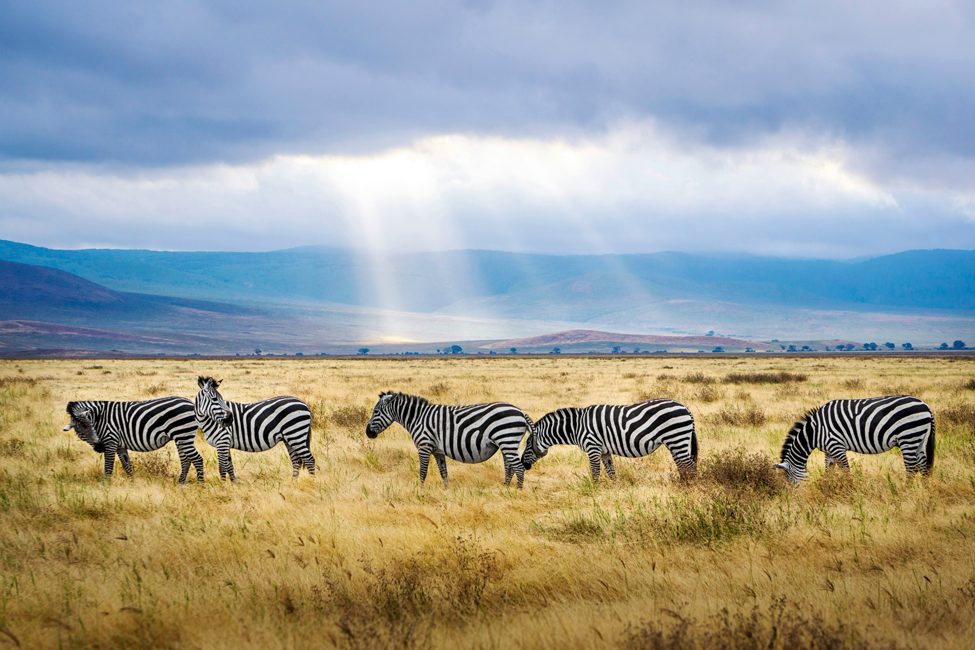
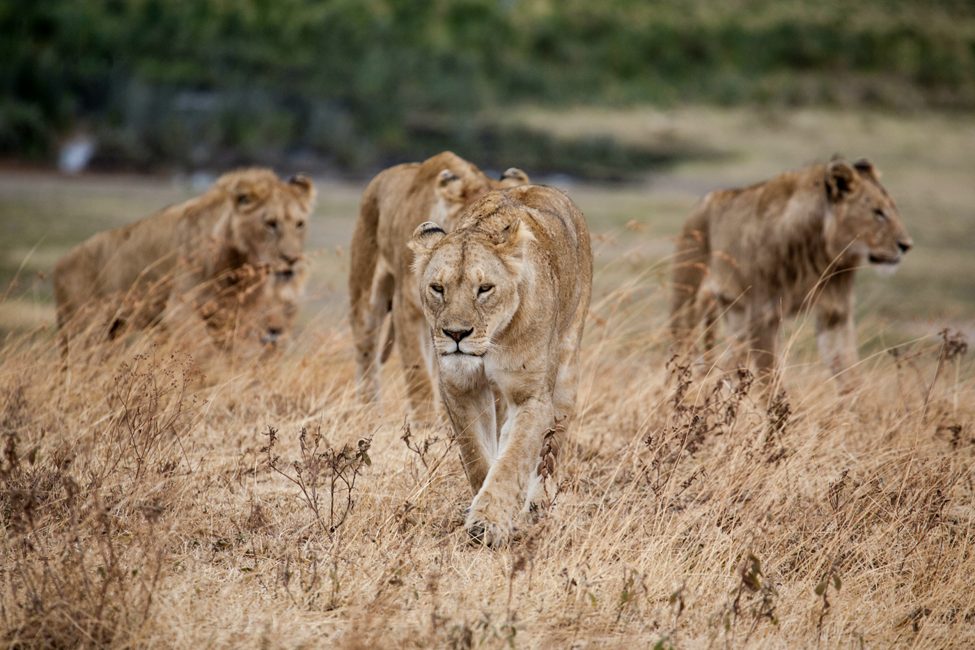
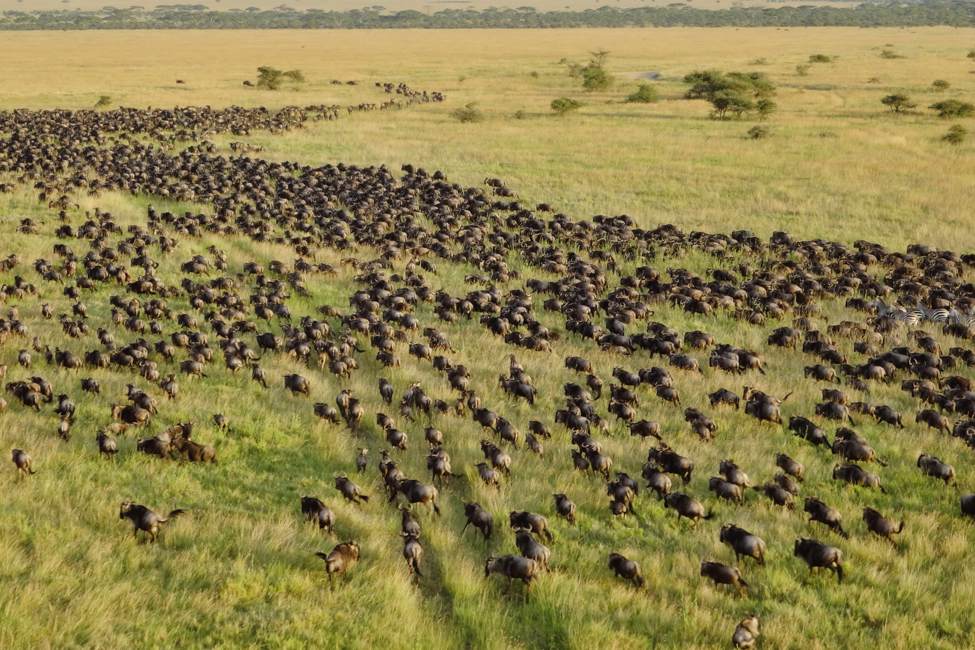
Other animals that appear in Tarangire include elands, giraffes, impalas, Grant’s gazelles, zebras, Cape buffalos, and eastern white-bearded wildebeests. Steenboks and klipspringers are also fairy common. The numerous herbivores attract charismatic predators like lions, leopards, and cheetahs.
Tarangire’s Wildlife Management Areas
To create more space for animals and maintain migration corridors between parks, Tanzania has a system of Wildlife Management Areas—conservation land set aside and managed by local communities. Two such areas enjoyed by Ujuzi travelers include Burunge and Randilen on the northern side of Tarangire.
Burunge Wildlife Management Area covers more than 100 square miles and protects the migratory corridor between Tarangire and Lake Manyara National Park. Randilen Wildlife Management Area is 126 square miles. Both conservation areas feature top-of-the-line lodgings and much of the same wildlife as inside Tarangire National Park. But they offer more freedom for off-road exploration, night drives, hikes, and game drives in open-air vehicles—activities that are restricted inside the park.
Night game drives are an exciting way to observe nocturnal wildlife. You can spot predators like leopards and hyenas, as well as smaller nocturnal creatures such as aardvarks, genets, jackals and bat-eared foxes with their enormous pointed ears.
Perhaps the best part of staying in a Wildlife Management Area is knowing that you are contributing not only to wildlife conservation, but also to improving the lives of local residents. Tourism to these areas creates employment, markets for local goods, and revenues that support community infrastructure and services like schools and clinics. The Wildlife Management Areas also foster positive attitudes toward conservation among current and future generations of Tanzanians!
What to Do in Tarangire
Tarangire National Park offers a variety of activities that allow visitors to fully experience its diverse wildlife, stunning landscapes, and rich cultural heritage. Here are some of the best activities to enjoy when visiting Tarangire.
Wildlife-Viewing Drives
Wildlife-viewing drives are the most tried and true way to see the diverse wildlife Tarangire National Park has to offer. Well-maintained dirt tracks guide visitors through the park’s varied ecosystems to see gorgeous landscapes and incredible numbers of animals.
For game drives within the park, vehicles must be enclosed but can have an open-top sunroof. At Ujuzi, you’ll always have a window seat for the best view. You can also enjoy night drives and open-vehicle drives when you stay at a lodge in one of the neighboring Wildlife Management Areas.

Walking Safaris
Walking safaris are an option in some areas of Tarangire as well as in the neighboring Wildlife Management Areas. You’ll also get a closer look at the flora and smaller wildlife that you might miss from a vehicle, like the charming bush and rock hyraxes and a few of the Little Five safari animals. It’s a great way to experience the sights, sounds, and smells of Tarangire up close.
Birdwatching
With more than 500 avian species on record, Tarangire is rewarding destination for both beginner and experienced birders. The river, wetlands, and savannas attract a variety of birds, from large birds of prey like eagles and vultures to colorful songbirds and migratory species. Some of the key species you might see include the yellow-collared lovebird, African fish eagle, secretary bird, sociable weavers, crowned eagles, and ostrich. Visiting Tarangire during the wet season (November to May) offers the chance to see a huge variety of migratory species.
Picnicking at Scenic Spots
Tarangire has several scenic picnic spots where you can enjoy a meal while taking in the breathtaking surroundings. The two main ones are at Silale Swamps and the Matete Picnic Site perched on the northern bank of the Tarangire. Picnics are a perfect way to enjoy the serenity of the African bush.

Balloon Safaris
Going on a hot air balloon safari in Tarangire National Park is a truly magical experience, offering a bird’s-eye view of one of elephants and other wildlife at play. As you are lifted by gentle winds, you’ll be treated to panoramic views of Tarangire’s stunning landscapes—open plains, acacia woodlands, and the park’s signature baobab trees. Watch herds of antelope, elephants, or zebras in the morning sun while birdsong ascends from the trees below.
Cultural and Conservation Experiences
The Maasai communities around the park are known for their distinctive clothing, elaborate beadwork, and semi-nomadic pastoralist way of life. A guided village tour allows you to see traditional Maasai round houses, called manyatta, which are clustered together in groups known as bomas. You’ll get a chance to interact with the residents through a translator, learn about their traditions, and buy colorful handmade beadwork and other crafts.
Visiting conservation projects to learn about the wildlife of the park and efforts to protect them is another valuable opportunity. For example, the Tanzania Conservation and Research Program—formerly the Tarangire Elephant Project—is dedicated to understanding the elephant populations of Tanzania, protecting habitat and migration corridors, monitoring for poaching, and fostering positive human-animal coexistence. Zoos that support the organization have offered safaris with Ujuzi where travelers meet local staff and have the chance to participate in observing animals and collecting data about their behavior.
Explore Tarangire on These Safaris
Planning Your Visit to Tarangire
Tarangire National Park is a standout destination on Tanzania’s northern safari circuit that offers a unique combination of extraordinary wildlife, scenic landscapes, and a serene atmosphere. Plus, it’s just a short drive from Arusha and Kilimanjaro International Airport, making it easy to reach at the beginning or end of a safari.
For most travelers, we recommend visiting Tarangire during the dry season (June to October), when animals congregate around the Tarangire River and Silale Swamps, making for spectacular wildlife viewing.
If you are an avid birdwatcher looking to add to your life list, migratory bird numbers peak in the wet season (from November to May), making it the best time to visit. You can also save money by going in the wet season. Just keep in mind that larger wildlife tend to spread out more, and tall grass can also make it harder to spot wildlife, so you won’t find as many huge animal herds as in the dry season.
Questions about visiting Tarangire? Contact Ujuzi today.

Sign up for the Ujuzi Newsletter!
From top travel tips to innovative safaris and conservation movement, get inspired to plan your next African safari!
By submitting this form, you are consenting to receive marketing emails from: . You can revoke your consent to receive emails at any time by using the SafeUnsubscribe® link, found at the bottom of every email. Emails are serviced by Constant Contact