

Wildlife, Wilderness, and Waterways: The Magic of Lower Zambezi
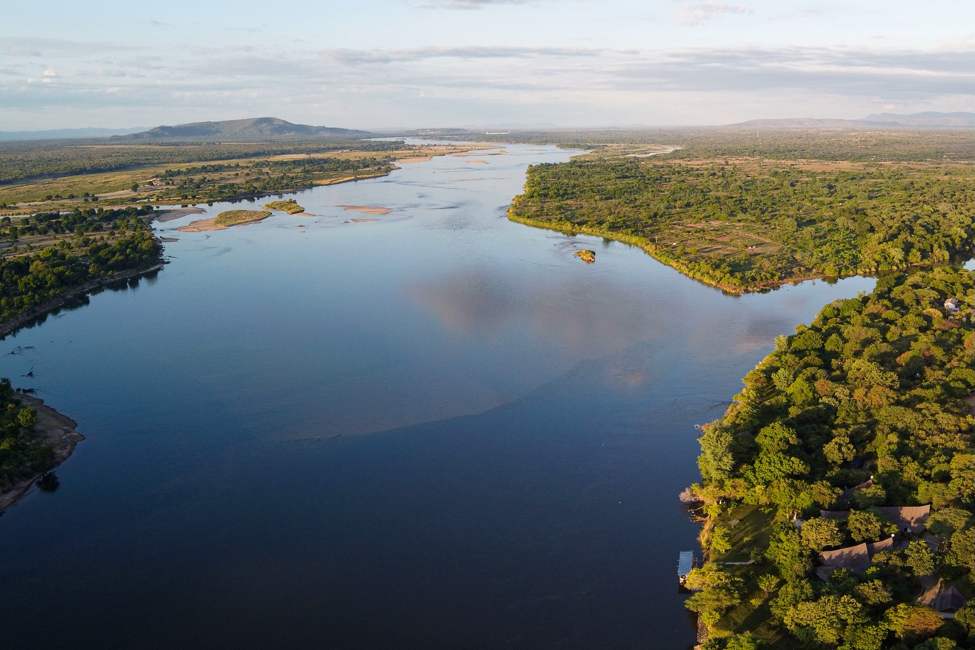
Covering 1,500 square miles along the northern bank of the Zambezi River, Lower Zambezi National Park in Zambia draws in visitors with its dramatic landscapes of thick miombo woodlands, open savanna, floodplains, and riverine forests.
While large, Lower Zambezi offers a truly intimate experience where you can get up close to nature with river-based explorations and walking safaris. While often overshadowed by more famous southern African destinations, such as Kruger and South Luangwa, it rivals the best in the continent with its captivating blend of rugged landscapes and rich biodiversity. If you’re looking for a safari experience that blends adventure and conservation with refreshing solitude, Lower Zambezi National Park should be at the top of your list.
Experience the Wildlife of Lower Zambezi National Park
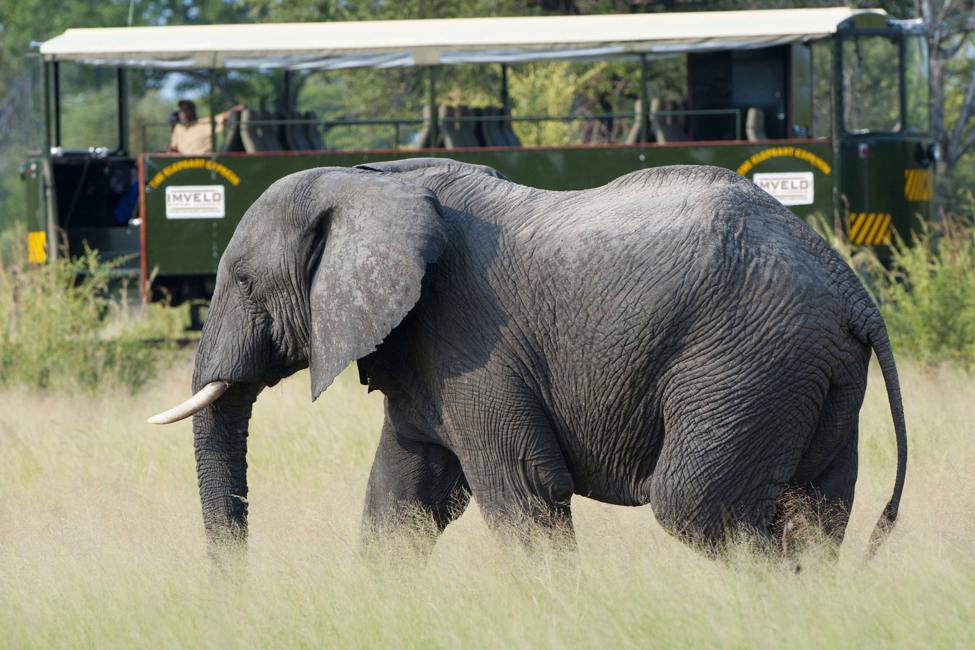
Lower Zambezi is home to a remarkable variety of wildlife. Its diverse habitats host a number of iconic African species, with four of the Big Five (except for rhinos) present along with numerous birds, antelopes, and smaller animals. Elephants are among the most commonly spotted species in the park, and it’s not unusual to see large herds feeding along the riverbanks or wading through the waters.
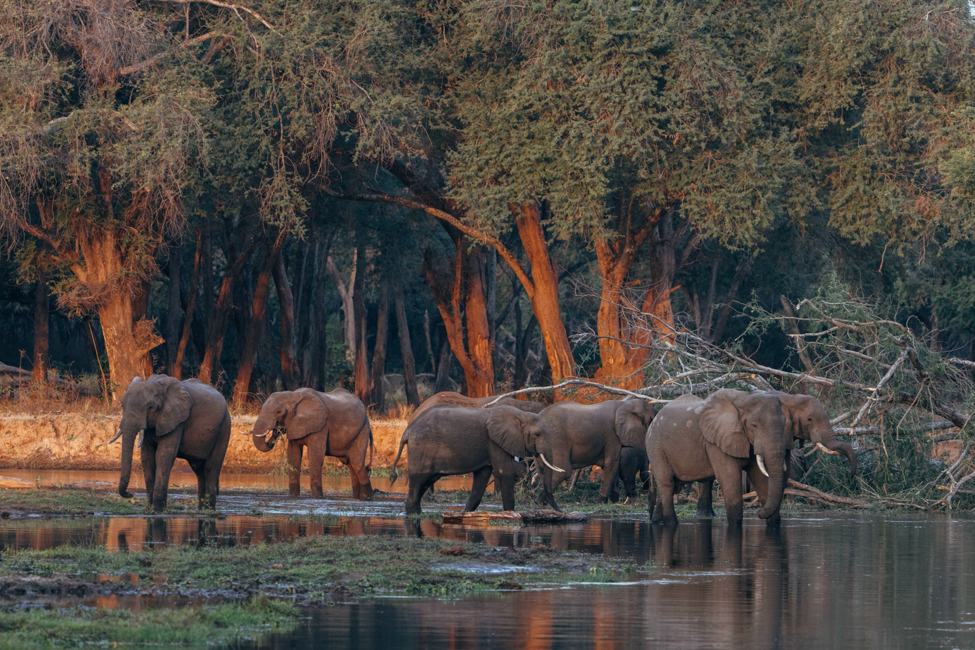
Elephants gather in Lower Zambezi National Park. Photo courtesy of Anabezi Camp.
Explore the Zambezi River
A boat cruise is ideal for spotting a range of land- and water-based animals, including elephants, waterbucks, Cape buffalos, hippos, and crocodiles. Birders will thrill at the chance to see jacanas, collared pratincoles, African skimmers, African fish eagles, great white pelicans, shoebills, a variety of storks (including saddle-billed and yellow-billed storks), and nine species of kingfishers.
While boat cruises can be taken throughout the day, Ujuzi particularly recommends cruising at sunset when the golden hours offer incredible scenic beauty and bring out birdlife you might not see at midday. Guided canoeing is another way to view animals along the water’s edge and enjoy the landscape along the Zambezi River.
Game Drives Bring You Deep Into the Park
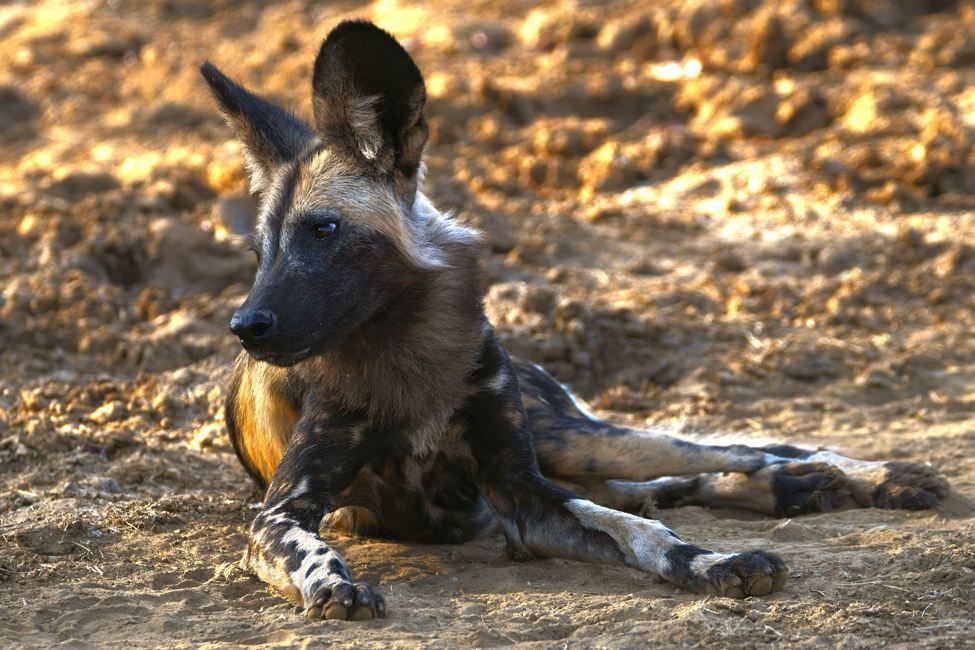
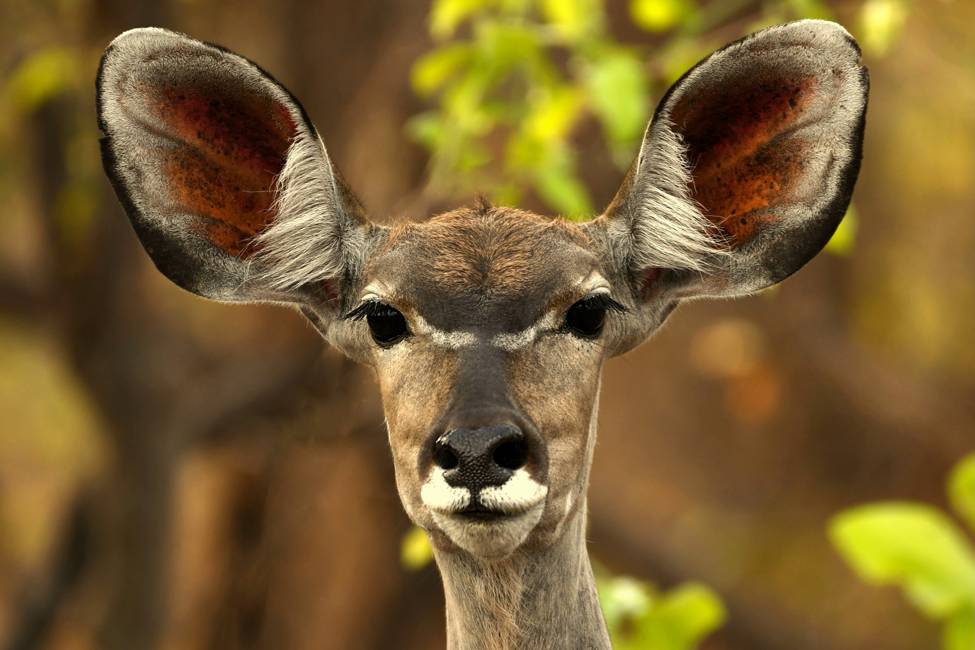
For even more wildlife, take a game drive deep into the park’s wilderness. Led by experienced rangers, these drives are ideal for tracking carnivores like lions, hyenas, and African wild dogs (aka painted wolves) and for watching the herds of zebras, giraffes, antelope, and wildebeests that roam freely throughout the park.
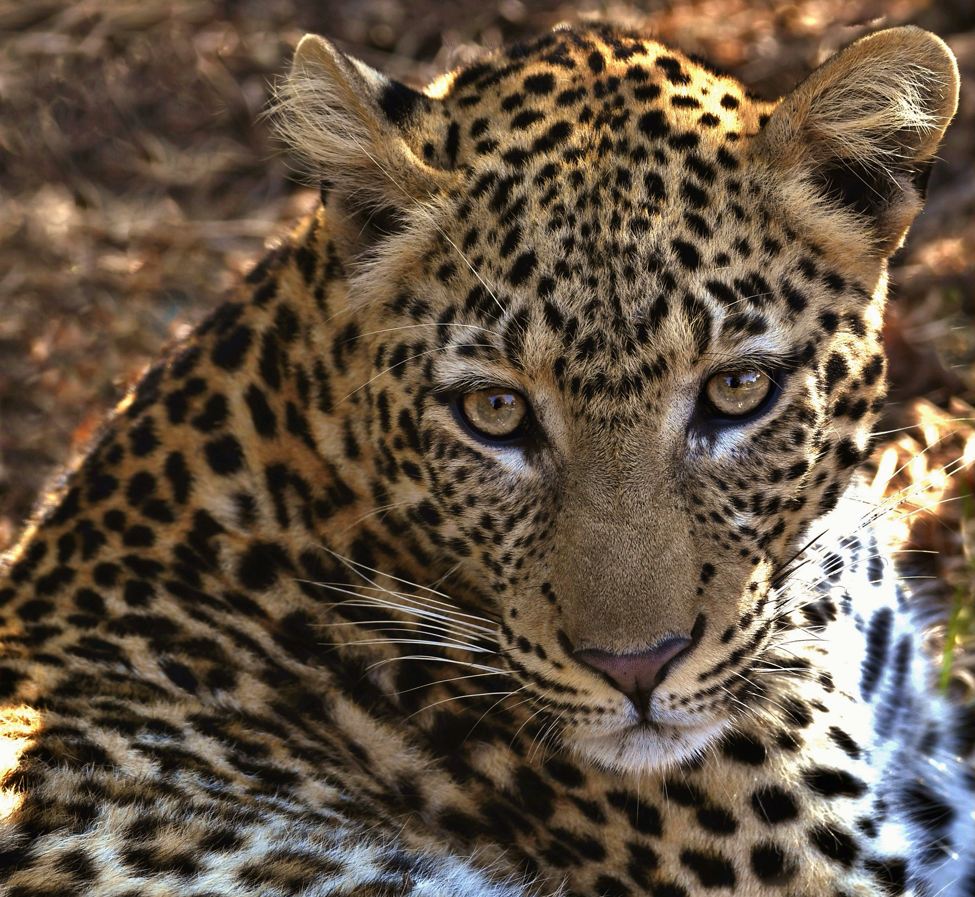
For the best viewing, game drives usually take place early in the morning and late in the afternoon, when animals are most active. But you should also try at least one night drive. These show you a completely different side of the park—one dominated by nocturnal animals like galagos (small primates with huge eyes), servals, genets, civets, porcupines, owls, nightjars, and the elusive leopard! The darkness also provides breathtaking views of the Milky Way and southern constellations as they light up the clear night sky over the Zambezi River.

Go by Foot
Walking safaris are the perfect way to explore close-up details of Lower Zambezi National Park’s ecosystem. Learn about plants, identify and follow animal tracks, and get acquainted with birdsong and other sounds of the wild.
Your guide can help you tick some of the Little Five safari creatures off your list—the park is home to leopard tortoises, antlions, the short-snouted elephant shrew, and the four-toed elephant shrew. Rhinoceros beetles and red-billed buffalo weavers also live in the region, although spotting these birds is a challenge since they prefer dry savanna.
For birders, bushwalks allow you to listen and look for the over 300 bird species recorded here. Frequent sightings include Lilian’s lovebirds, Meves’s starlings, blue-cheeked bee-eaters, Meyer’s parrots, trumpeter and southern ground hornbills, and African pittas.
The cooler early mornings are the best time of day for walks and hikes—not just because the weather tends to be most comfortable then, but also because small animals are more active and easier to spot.
Visiting Lower Zambezi National Park
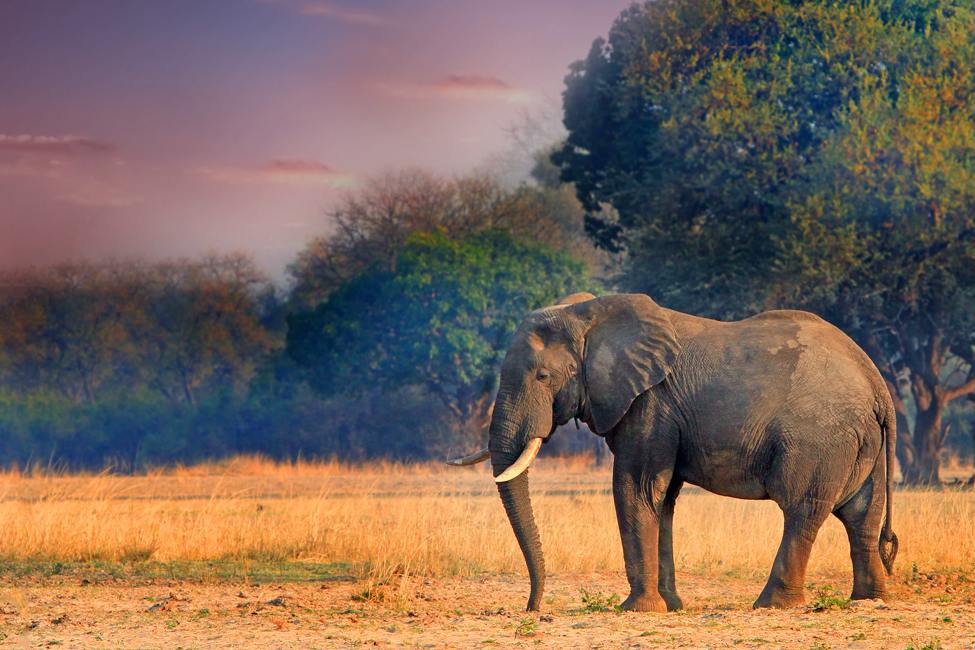
Lower Zambezi National Park is a wonderful safari destination all on its own. You can also combine it with visits to other parks for a more diverse safari. The two closest parks to Lower Zambezi are Kafue National Park to the west and Zimbabwe’s Mana Pools National Park to the south.
For most travelers, we recommend visiting in the dry season (May to October). You generally get the best wildlife viewing this time of year because the thinned-out vegetation means better visibility during game drives, and because you don’t have to cover as much ground to see large numbers of animals—they tend to cluster along the Zambezi River, the park’s main year-round water source.
The wet season (November to April) offers an influx of migratory birds and brings flowers into bloom. It’s also a great time to see butterflies and is the calving season for many antelope species. However, certain areas of the park may be difficult to access due to heavy rains. You’ll also have fewer lodging options, as some places shut down for all or part of the wet season.
Accommodation options in Lower Zambezi range from luxurious lodges to more budget-friendly campsites. When deciding where to stay, you should consider the degree of comfort you’re looking for, as well as the activities offered by the lodge or camp. Many lodgings include full access to naturalist guides, trackers, and activities like game drives, cruises, and bushwalks in their nightly fees.
Need help planning your dream safari? Ujuzi is here for you! Contact us today.

Sign up for the Ujuzi Newsletter!
From top travel tips to innovative safaris and conservation movement, get inspired to plan your next African safari!
By submitting this form, you are consenting to receive marketing emails from: . You can revoke your consent to receive emails at any time by using the SafeUnsubscribe® link, found at the bottom of every email. Emails are serviced by Constant Contact